
How to Move On from a Relationship and Learn to Trust Again
So, you're going through a breakup. It sucks, right? You're probably feeling a mix of emotions: sadness, anger, confusion, maybe even a little bit of relief. Whatever you're feeling, it's totally valid. And trust me, you're not alone. Breakups are tough, but they're also an opportunity to learn and grow. It's a chance to figure out who you are, what you want, and how to build a stronger and healthier future.
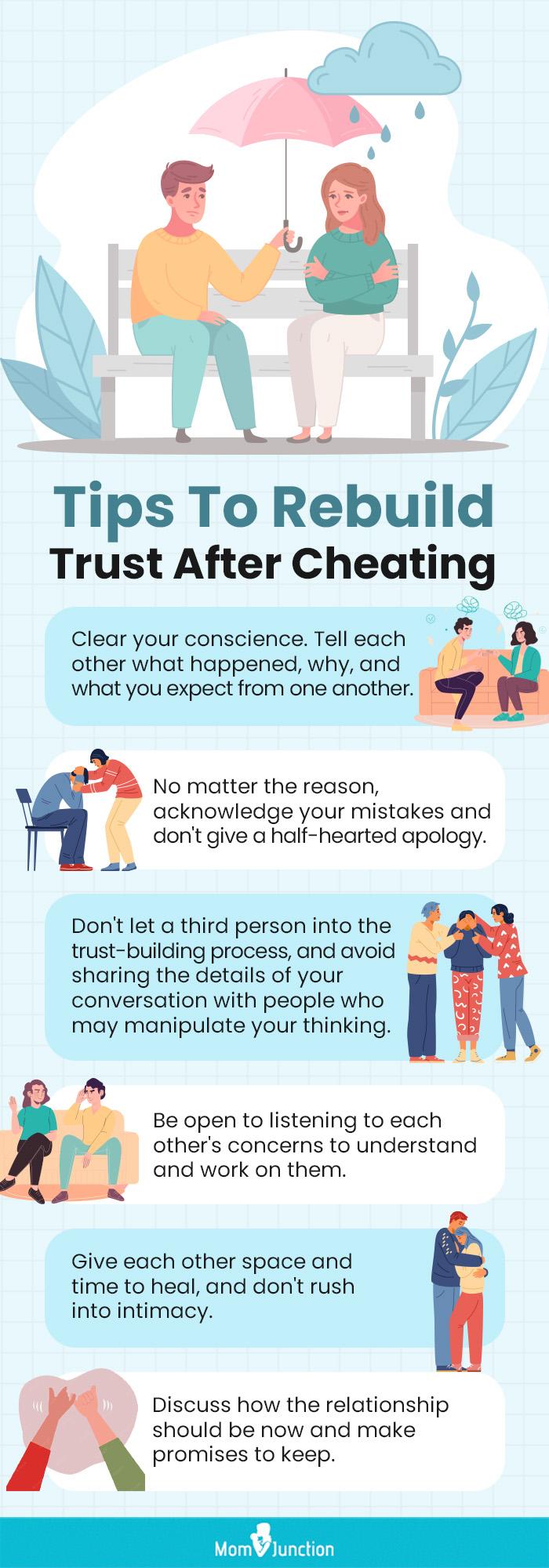
One of the toughest things after a breakup is learning to trust again. If you were betrayed or hurt in the relationship, it can be hard to let your guard down and open yourself up to someone new. But I'm here to tell you, it's possible. You can move on from a relationship and learn to trust again.
It's a journey, not a sprint. It takes time, patience, and self-compassion. There will be moments of doubt, but with each step you take, you'll get closer to a place of healing and renewed trust.
Allow Yourself to Feel
The first step to moving on and learning to trust again is allowing yourself to feel your emotions. Don't try to bottle them up or pretend they're not there. It's okay to be sad, angry, or confused. It's okay to cry, scream, or just sit quietly and process what happened.
Think of your emotions like waves. They come in different sizes and strengths, and they'll eventually pass. Let them wash over you, feel them fully, and know that they don't define you. Don't judge yourself for how you feel, just acknowledge it and let it flow.
Acknowledge the Hurt and Don't Dwell
It's important to acknowledge the hurt you've experienced, but don't dwell on it. Think about it like a wound. You need to clean it and let it heal, but you don't want to keep picking at it. It's okay to feel angry, betrayed, or even heartbroken. Acknowledge these feelings and write them down, but don't get stuck in them.
Remember, the pain you feel now is a sign of your strength and resilience. You're capable of healing, and you will. Dwelling on the past won't help you move forward. It will only keep you stuck in a cycle of negativity and hurt.
Don't Blame Yourself
It's easy to blame yourself after a breakup. You might think, "If only I had done things differently" or "Maybe I wasn't good enough." But it's important to remember that you're not to blame. Relationships are a two-way street, and both partners share responsibility for what works and what doesn't.
It's okay to acknowledge your role in the relationship, but don't beat yourself up about it. Focus on what you learned from the experience and how you can grow from it.
Take Some Time for Yourself
After a breakup, you need time and space to heal. Take some time for yourself to do things you enjoy. Read, watch movies, spend time with friends and family, or just relax and recharge.
This is an opportunity to rediscover yourself and what brings you joy. Maybe you've always wanted to try painting, or maybe you've neglected your hobbies. Now is the time to focus on your own happiness and well-being.
Don't Rush into Another Relationship
It's tempting to want to jump into another relationship right away. But this is usually a bad idea. You need time to heal and process what happened in your previous relationship before you're ready for a new one.
Rushing into another relationship can make it harder to learn from your past mistakes. Take your time and let yourself heal before opening your heart to someone new.
Focus on Yourself
After a breakup, it's easy to feel lost and alone. But it's important to remember that you're not alone. You have a whole life outside of your relationship, and you need to focus on yourself for a while.
This is a great time to set goals, pursue your passions, and build a stronger sense of self. What are your dreams? What do you want to achieve? Now is the time to start making those dreams a reality.
Connect with Others
Don't isolate yourself after a breakup. It's important to stay connected with friends and family. They can offer support, encouragement, and a much-needed distraction.
If you don't feel comfortable talking to friends and family about your breakup, consider joining a support group or talking to a therapist. There are many people who understand what you're going through and can offer help.
Learn from the Experience
Every relationship teaches us something about ourselves. It's important to reflect on your past relationship and learn from it.
What went well? What could have been better? What did you learn about yourself? By reflecting on these questions, you can gain valuable insights that will help you in your future relationships.
Be Patient and Kind to Yourself
Healing takes time. There will be good days and bad days. Be patient with yourself and don't expect to feel completely "over it" overnight.
Be kind to yourself during this process. Forgive yourself for any mistakes you made, and remind yourself that you're worthy of love and happiness.
Start Small with Trust
Learning to trust again after a breakup can be a long and difficult process. It's important to start small.
Begin by trusting yourself. Listen to your intuition. Trust that you're capable of making good decisions for yourself. Then, gradually start trusting others. Start with friends and family, and slowly open up to new people.
Watch for Red Flags
It's important to be aware of red flags in your relationships. Red flags can be anything that makes you feel uncomfortable or unsafe.
Trust your gut. If something doesn't feel right, it probably isn't. Don't ignore red flags or make excuses for someone's behavior.
Don't Give Up on Love
Just because you've been hurt in the past doesn't mean you should give up on love. There are plenty of people out there who are looking for a healthy, loving relationship.
Don't let your past experiences define you. You deserve to be loved and cherished, and you will find someone who will love you for who you are.
Seek Professional Help
If you're struggling to move on from a relationship or learn to trust again, don't be afraid to seek professional help.
A therapist can provide support and guidance as you navigate through the healing process. They can help you identify your triggers, develop coping mechanisms, and build stronger, healthier relationships in the future.
Remember, you're not alone in this. There are people who care about you and want to help you through this difficult time. Take care of yourself, be patient, and know that you're strong enough to overcome this and find love again.


No comments:
Post a Comment
Note: Only a member of this blog may post a comment.